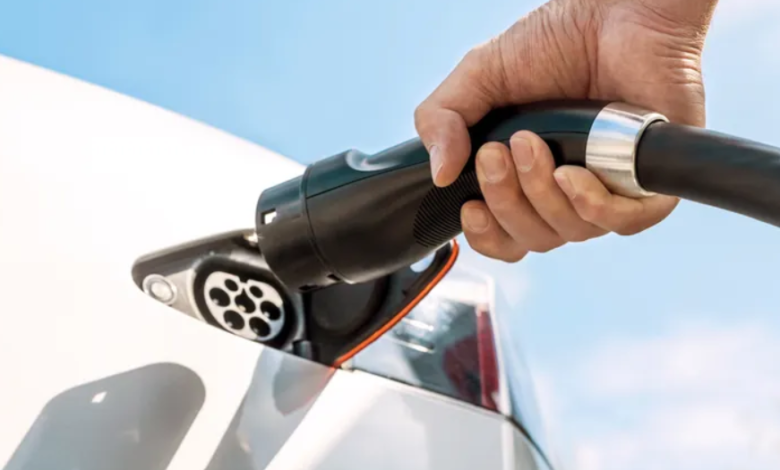
The rapid growth of electric vehicles has created an urgent demand for faster and more efficient charging solutions. One of the most transformative developments in this space is ultra fast EV charging. This technology is redefining how drivers interact with electric vehicles by significantly reducing charging time and improving convenience. As charging speeds increase, electric vehicles become more practical for long-distance travel, commercial fleets, and everyday use.
What Is Ultra Fast EV Charging?
Ultra fast EV charging refers to high-powered charging systems capable of delivering extremely high electrical output to an electric vehicle’s battery. These chargers typically operate at power levels of 150 kW and above, with some advanced systems reaching 350 kW or more. Unlike standard or fast chargers, ultra fast chargers can add hundreds of kilometers of driving range in a very short time.
This charging method uses direct current (DC) rather than alternating current (AC), allowing electricity to flow directly into the battery without onboard conversion delays. The result is a dramatic reduction in charging time compared to conventional charging solutions.
See also: Why Every Home Needs Personalized Interior Design
How Ultra Fast EV Charging Works
Ultra fast EV charging systems rely on advanced power electronics, liquid-cooled cables, and intelligent communication between the charger and the vehicle. When a vehicle is connected, the charger and battery management system communicate to determine the optimal charging speed based on battery temperature, state of charge, and chemistry.
The charging curve is designed to deliver maximum power during the early stages of charging and gradually reduce speed as the battery fills. This protects battery health while still providing extremely rapid energy transfer.
Key Benefits of Ultra Fast EV Charging
Reduced Charging Time
One of the most significant advantages of ultra fast EV charging is the ability to recharge an electric vehicle in minutes rather than hours. This makes EVs far more competitive with traditional fuel-powered vehicles in terms of refueling convenience.
Improved Long-Distance Travel
Ultra fast chargers enable seamless long-distance journeys by minimizing stop times. Drivers can recharge during short breaks, making electric road trips more practical and appealing.
Support for Commercial and Fleet Vehicles
For commercial fleets, delivery services, and public transportation, time is critical. Ultra fast EV charging helps reduce downtime, improve efficiency, and increase vehicle utilization.
Increased EV Adoption
Faster charging reduces range anxiety, one of the main barriers to EV adoption. As ultra fast charging networks expand, more consumers feel confident switching to electric vehicles.
Ultra Fast EV Charging vs Fast Charging
While fast charging typically ranges between 50 kW and 100 kW, ultra fast EV charging operates at much higher power levels. Fast chargers are suitable for routine charging, whereas ultra fast chargers are designed for quick top-ups during travel or high-demand scenarios. The difference lies not only in speed but also in infrastructure requirements, cooling systems, and grid capacity.
Infrastructure Requirements and Challenges
Ultra fast EV charging requires robust electrical infrastructure. High-power chargers place significant demand on local power grids, often requiring upgrades such as transformers, energy storage systems, or smart load management. Installation costs are higher than conventional chargers, but the long-term benefits often outweigh the initial investment.
Thermal management is another challenge. The high current involved generates heat, which must be controlled to ensure safety and performance. Advanced cooling technologies play a crucial role in maintaining system reliability.
Impact on Battery Life
A common concern is whether ultra fast EV charging negatively affects battery health. Modern electric vehicle batteries are engineered to handle high charging speeds, and intelligent battery management systems regulate power delivery to minimize degradation. While frequent ultra fast charging may slightly increase wear compared to slower charging, the impact is generally minimal when used appropriately.
Role of Ultra Fast EV Charging in Sustainable Transportation
Ultra fast EV charging supports the transition to sustainable transportation by making electric vehicles more convenient and accessible. When combined with renewable energy sources and smart grid integration, ultra fast charging can significantly reduce carbon emissions and dependence on fossil fuels.
The Future of Ultra Fast EV Charging
The future of ultra fast EV charging includes even higher power levels, improved efficiency, and wider availability. Innovations such as solid-state batteries, wireless charging, and energy buffering systems are expected to further enhance charging speed and reliability. As technology evolves, charging an electric vehicle may soon be as quick and effortless as refueling a conventional car.
Frequently Asked Questions (FAQs)
What is considered ultra fast EV charging?
Ultra fast EV charging generally refers to DC chargers delivering 150 kW or more, capable of adding significant driving range in a short period.
How long does ultra fast EV charging take?
Depending on the vehicle and battery size, ultra fast EV charging can recharge a battery to 80 percent in approximately 15 to 30 minutes.
Is ultra fast EV charging safe?
Yes, ultra fast EV charging is safe when used with compatible vehicles. Advanced safety protocols and battery management systems ensure controlled and secure charging.
Can all electric vehicles use ultra fast EV charging?
Not all EVs support ultra fast charging. The vehicle must be designed to handle high power levels, and charging speed depends on battery technology and system limits.
Does ultra fast EV charging damage batteries?
Occasional use does not significantly harm batteries. Modern EVs are designed to manage heat and power effectively, reducing long-term degradation.
Conclusion
Ultra fast EV charging is a game-changing innovation that accelerates the adoption of electric vehicles by addressing one of the biggest challenges: charging time. With its ability to deliver rapid energy transfer, support long-distance travel, and enhance fleet efficiency, ultra fast EV charging is shaping the future of mobility. As infrastructure expands and technology advances, this charging solution will play a vital role in creating a faster, cleaner, and more sustainable transportation ecosystem.